
Blind to the Noise: The Mechanics of a Color Walk
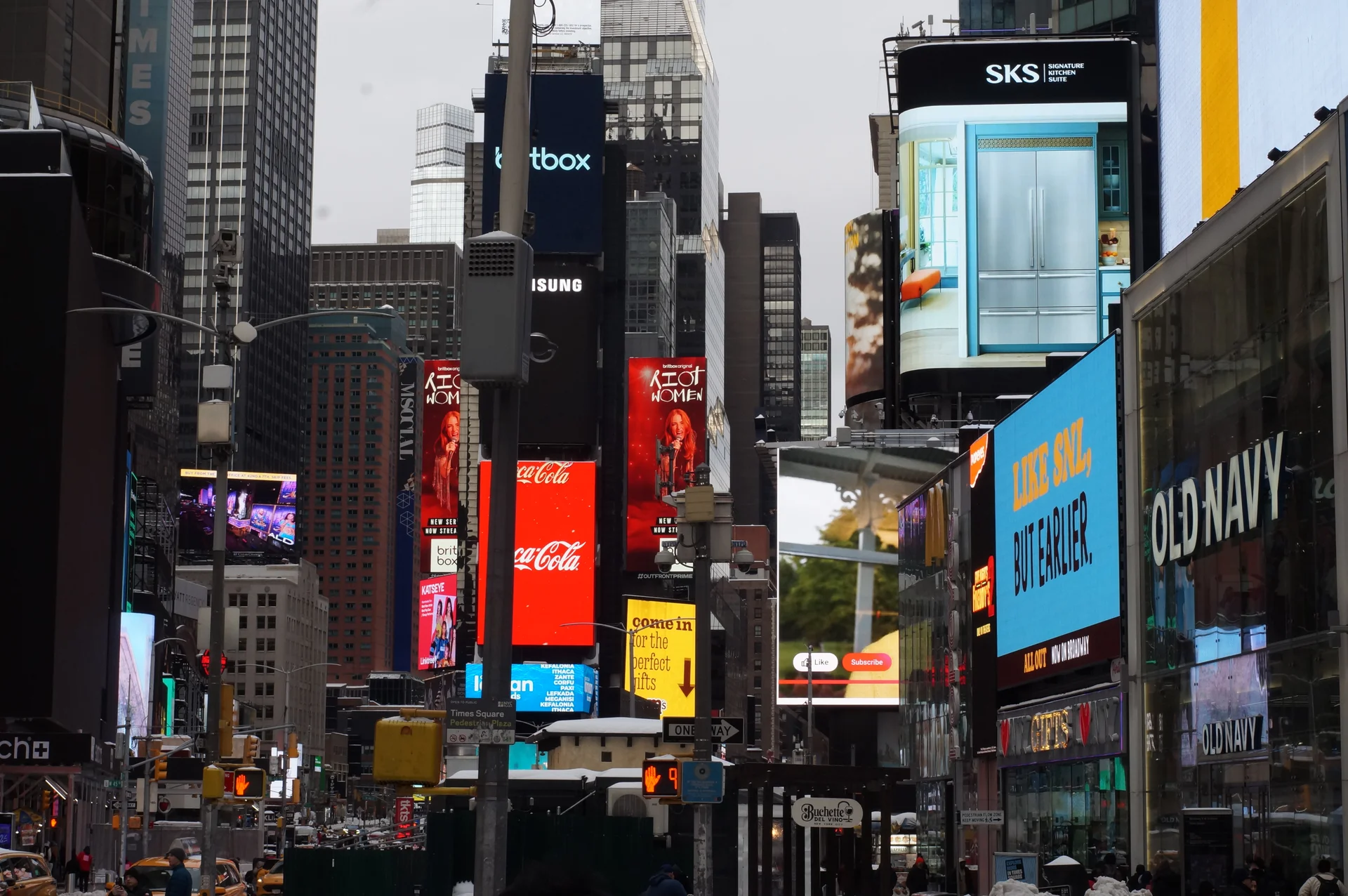
This platform was built around a very simple idea. Photography is infinitely better when it has a little bit of structure.
A completely blank canvas can actually be the enemy of creativity. When you step outside with a camera and tell yourself you are just going to "shoot whatever looks good," you often end up seeing nothing at all. You walk right past the fascinating details because the world is simply too chaotic to process all at once.
That is where the concept of the color walk comes in.
The premise is straightforward. You pick a single color. You snap a prime lens onto your camera like a 40mm or maybe just grab your phone to keep things simple. Then you step out the door and actively ignore every single thing in the world that does not feature your chosen color.
If the theme is red, you are suddenly blind to the ocean, the sky, and the trees. You are only looking for a peeling painted door, a discarded lighter on the sidewalk, or the tail light of a passing car.
This might sound like a simple game, but it is actually deeply rooted in psychology and visual training. Here are the verified benefits of making color walks a regular part of your creative routine.
It Hacks Your Reticular Activating System
There is a bundle of nerves at our brainstem called the Reticular Activating System. It is responsible for filtering out the billions of pieces of data we encounter every second so we do not get overwhelmed.
When you buy a new car, you suddenly start seeing that exact same car everywhere you look. That is your brain's filter at work. A color walk intentionally hacks this system. By actively telling your brain that "yellow is important today," your subconscious starts highlighting yellow objects in your peripheral vision before you even consciously register them. You are literally training your brain to see the world differently.
It Forces You to Study Light and Texture
When you strip away the subject matter of a photo and focus purely on a color, you are forced to rely on the fundamentals. A red brick wall is just a brick wall. But a red brick wall caught in the harsh, angular shadows of golden hour is a compelling photograph.
Because you are restricted to finding a specific hue, you have to work twice as hard to find interesting light, leading lines, and textures to make the image stand out. It turns you into a better composer.
It Acts as Walking Meditation
Street photography in a busy city or even just walking down a vibrant street anywhere can sometimes feel frantic. You are constantly looking for the decisive moment.
A color walk slows you down. It is a form of active mindfulness. Because you have a singular, highly specific mission, the anxiety of missing a great shot fades away. You find yourself walking slower, looking closer at the ground, examining the sides of buildings, and becoming completely present in your environment.
It Cures Creative Block
Every photographer hits a wall. You get tired of your local neighborhoods, you feel like your gear is uninspiring, and you lose the motivation to shoot.
Constraints breed creativity. By giving yourself an arbitrary limitation, you remove the pressure of having to create a masterpiece. You are just out looking for green things. This low-stakes environment is exactly what it takes to break out of a rut and remember why you enjoy pressing the shutter in the first place.
The Challenge
This platform is designed to be a gallery of intentionality. The goal is not to dump thousands of random photos onto a feed. We are here to curate, observe, and push each other to see the world through a very specific lens: Color.